



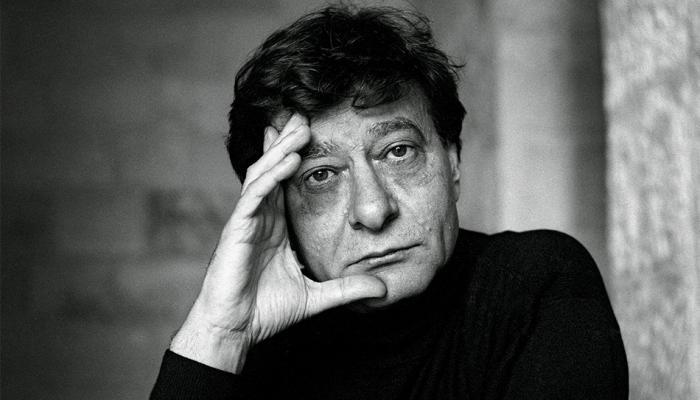
“On This Earth,” the famous poem by Mahmoud Darwish
Few poets have left as indelible a mark on Arab and world literature as the contemporary Palestinian writer Mahmoud Darwish. His poetry has become a refuge, a weapon, and a prayer. Among his works, the poem “On This Land, There Is That Which Deserves Life” remains one of his most famous, a hymn of love for Palestine and of resistance.
Written in the heat of exile and occupation, this text transforms pain into beauty, loss into attachment, and makes poetry a space for survival.
Who was Mahmoud Darwish?
Born in 1941 in the village of al-Birwa, which was destroyed after the Nakba of 1948, Darwish experienced displacement and exile from childhood onward. His poems, first published in occupied Palestine and later circulated throughout the Arab world, quickly brought him immense fame.
He became the poetic voice of Palestine, but also a universal figure, translated into more than 30 languages. His work blends the personal and the political, elegy and rebellion, and established him as the greatest contemporary Arab poet, comparable to Pablo Neruda or Federico García Lorca in their role as the collective conscience.
His public readings drew crowds of thousands, like true concerts. He was not merely a writer, but a cultural icon, a voice for Arab memory and dignity.
The complete poem
In Arabic
علَى هَذِهِ الأَرْض مَا يَسْتَحِقُّ الحَياةْ: تَرَدُّدُ إبريلَ, رَائِحَةُ الخُبْزِ فِي
الفجْرِ، آراءُ امْرأَةٍ فِي الرِّجالِ، كِتَابَاتُ أَسْخِيْلِيوس، أوَّلُ الحُبِّ، عشبٌ
عَلَى حجرٍ، أُمَّهاتٌ تَقِفْنَ عَلَى خَيْطِ نايٍ, وخوفُ الغُزَاةِ مِنَ الذِّكْرياتْ.
عَلَى هَذِهِ الأرْض ما يَسْتَحِقُّ الحَيَاةْ: نِهَايَةُ أَيلُولَ، سَيِّدَةٌ تترُكُ
الأَرْبَعِينَ بِكَامِلِ مشْمِشِهَا, ساعَةُ الشَّمْسِ فِي السَّجْنِ، غَيْمٌ يُقَلِّدُ سِرْباً مِنَ
الكَائِنَاتِ، هُتَافَاتُ شَعْبٍ لِمَنْ يَصْعَدُونَ إلى حَتْفِهِمْ بَاسِمينَ, وَخَوْفُ
الطُّغَاةِ مِنَ الأُغْنِيَاتْ.
عَلَى هَذِهِ الأرْضِ مَا يَسْتَحِقُّ الحَيَاةْ: عَلَى هَذِهِ الأرضِ سَيَّدَةُ
الأُرْضِ، أُمُّ البِدَايَاتِ أُمَّ النِّهَايَاتِ. كَانَتْ تُسَمَّى فِلِسْطِين. صَارَتْ تُسَمَّى
فلسْطِين. سَيِّدَتي: أَستحِقُّ، لأنَّكِ سيِّدَتِي، أَسْتَحِقُّ الحَيَاةْ.
In French
On this earth, there are things that deserve to live: April’s hesitation, the smell of bread at dawn, a woman’s opinions on men, the writings of Aeschylus, the beginning of love, grass on a stone, mothers standing on a flute’s melody, and the fear that memory instills in conquerors.
On this land, there is what deserves life: the end of September, a woman in her late forties, ripe with all her apricots, the hour of sunlight in prison, clouds mimicking a flock of creatures, the cheers of a people for those who ascend, smiling, toward their death, and the fear that songs inspire in tyrants.
On this land, there is what deserves life: on this land stands the mistress of the land, mother of preludes and epilogues. She was called Palestine. She is now called Palestine. My Lady, I deserve life, for you are my Lady.
A poem that transcends borders
This poem is not merely a celebration of Palestine. It is a universal affirmation of human dignity.
When Darwish writes, “On this land, there is that which deserves life,” he implicitly names beauty, love, memory, and above all, the lost but ever-living homeland. By enshrining Palestine in poetry, he makes it indestructible.
- The poem’s global success stems from its dual nature :
- Political, because it speaks of a people deprived of freedom, yet asserting their right to life.
Universal, because everyone can identify with it, finding in these words a reason to persevere, to hope, to love.

Leave a Reply