


About
Palestinian crafts,
beyond borders.
Since 2018, Palestinement has been operating out of Palestine to create a direct link between Palestinian artisans and merchants and people around the world who want to buy Palestinian products.
From Palestine. By Palestinians. For Palestinians.
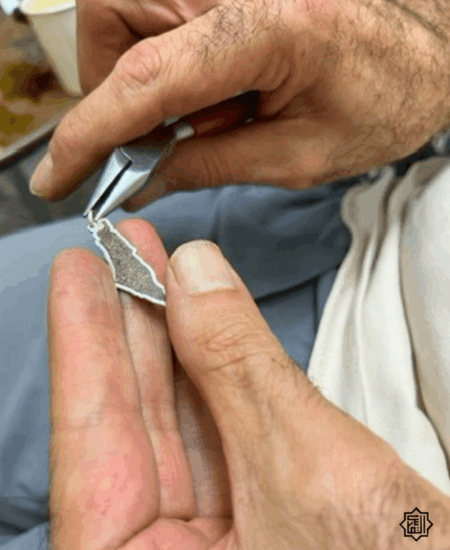
It all began in the Old City of Jerusalem.
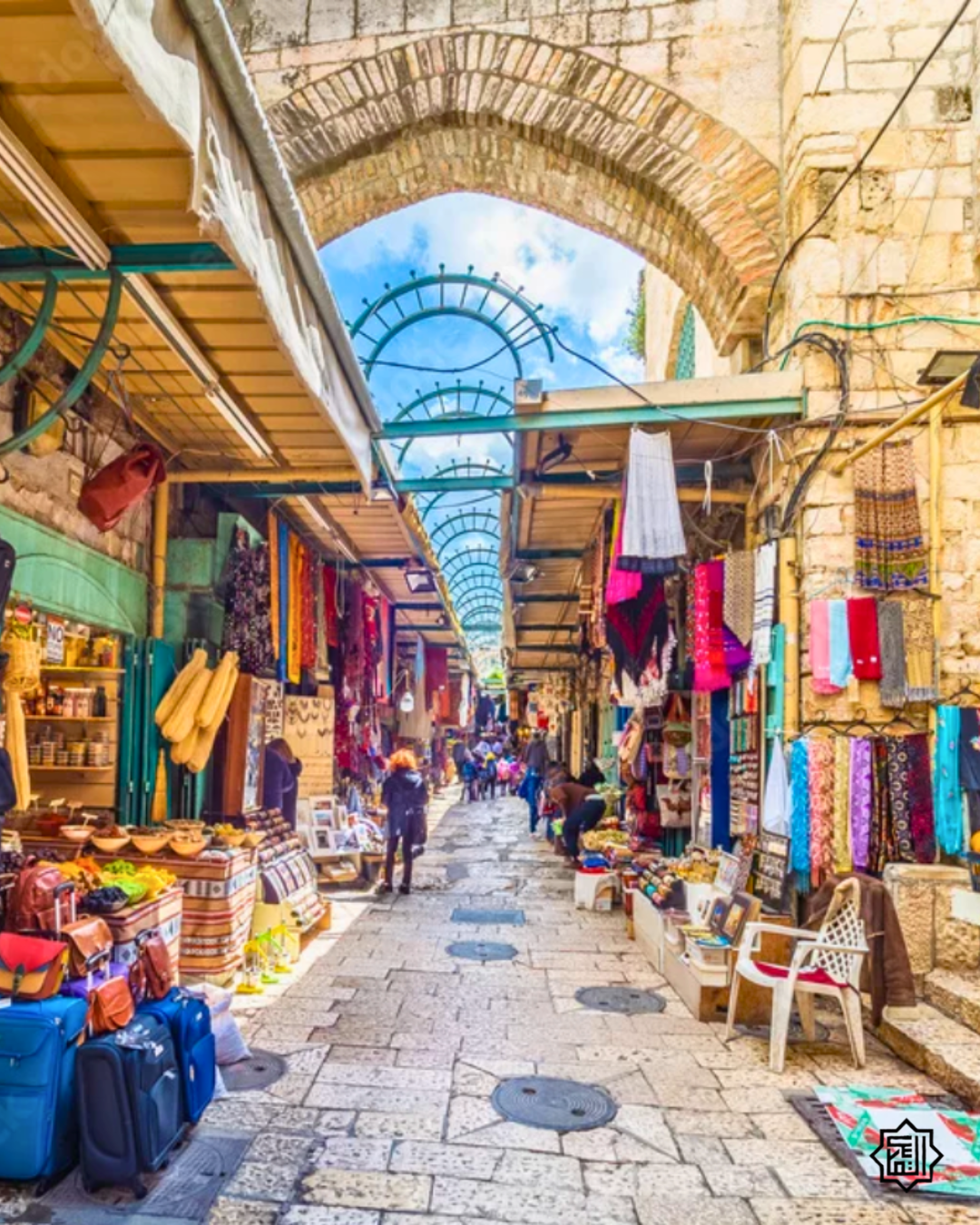
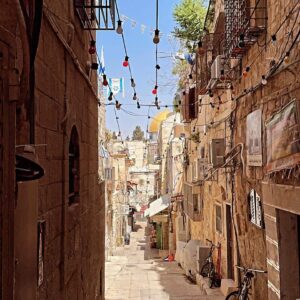
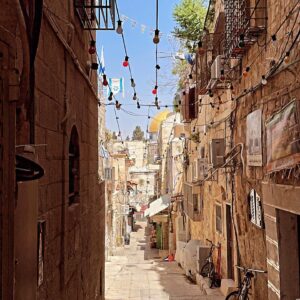
Usually, the alleys of Jerusalem’s Old City (Al-Quds) are filled with tourists. They wander in groups through the souks, taking pictures of the stalls and vendors to capture a memory of the “authentic” Jerusalem they’ve come to seek, thousands of kilometers from home.
The typical scenery of a tourist destination. Yet, if you take a closer look, you’ll notice something striking: the Palestinian shops are all empty.
Shopkeepers and artisans certainly try to draw a few tourists into their stores, show them their creations, and get a little of their attention. But the vast majority just keep walking… Those who do stop often just take a photo before moving on.
A form of tourism from which Palestinians are excluded.
In fact, it’s an entire system invisible to the casual tourist. You have to ask those who pay the price for it every day to truly understand. That’s what we did.
The Old City of Jerusalem is located in East Jerusalem, which has been under Israeli occupation since 1967. To work there, tour guides must be certified by the Israeli authorities, thereby ensuring a controlled narrative for tourists.
These guides take their groups only to Israeli shops. These are shops with which the guides have partnerships, where prices are exorbitant, and where they receive commissions. It is therefore in their best interest that tourists not compare prices. But it goes further than that: visitors are warned against Palestinians and their businesses, which are portrayed as manipulative, deceitful, or dangerous. The guides falsely claim that buying from Palestinians is tantamount to financing “terrorism.” As a result, tourists are advised not to buy from them or even speak to them.
As a result, some Palestinian shopkeepers—who already endure a humiliating daily life under occupation—are adapting the way they present themselves to tourists. Some, for example, use a different first name—one that sounds more Jewish or is simply more ambiguous—so as not to immediately reveal their Palestinian or Muslim identity.
Palestinians are thus part of what tourists come to see in Jerusalem, while at the same time being excluded from the economic benefits generated by this tourism.
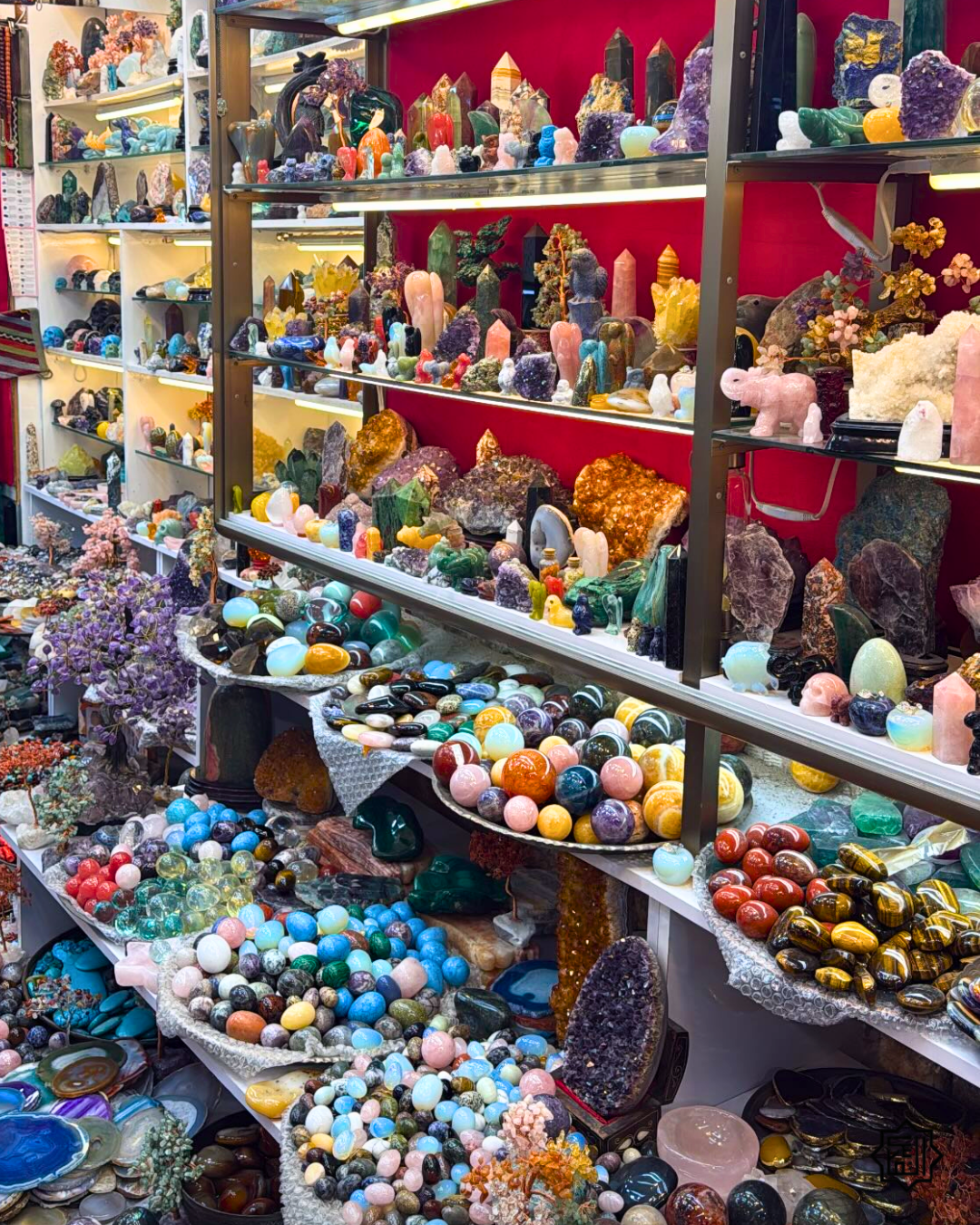
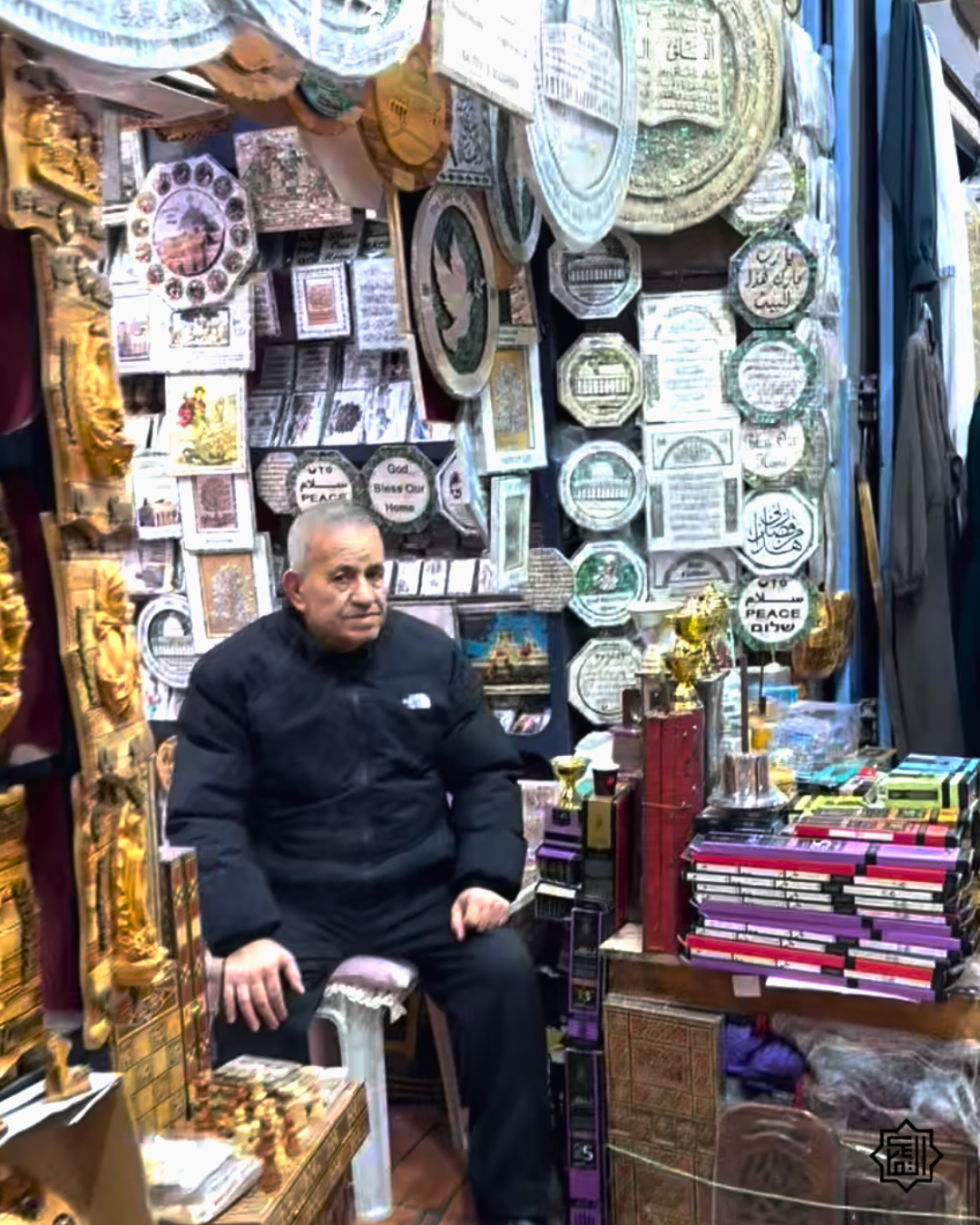
In Jerusalem, a business is also a presence.
This injustice is just one example of a much broader oppressive system under which Palestinians in East Jerusalem suffer. Invisible to tourists, it was only by living there that we were able to understand its full extent.
For decades, successive public policies in the city have deliberately made life for Palestinians in Jerusalem virtually impossible. Prohibitions on construction, home demolitions, a housing crisis, heavy taxation, a lack of public services, economic hardship, inadequate infrastructure, discrimination in the job market, and precarious residency status—everything is being done to orchestrate a silent and invisible deportation of Palestinians from their capital.
When a store is forced to close in Jerusalem’s Old City, it’s not just a business that’s shutting its doors. In Jerusalem, maintaining a Palestinian presence is a daily struggle. It marks the end of a legacy sometimes passed down through several generations, a family losing its source of income, a craft disappearing, and yet another Palestinian space lost to Israelis, thereby facilitating the Judaization of the Old City.
First COVID-19, then the war, have further exacerbated this reality by driving tourists away for long periods.
We didn’t presume to be able to change everything. But we chose to act on our own scale: to help a business stay open, to enable an artisan to continue making a living from their work, and to find customers elsewhere that they didn’t have here.
In 2018, when Palestinement began, we had neither a network of dozens of artisans, nor an international store, nor a large-scale project.
At first, it was simply a matter of helping one.
In Jerusalem, a business is also a presence.
This injustice is just one example of a much broader oppressive system under which Palestinians in East Jerusalem suffer. Invisible to tourists, it was only by living there that we were able to understand its full extent.
For decades, successive public policies in the city have deliberately made life for Palestinians in Jerusalem virtually impossible. Prohibitions on construction, home demolitions, a housing crisis, heavy taxation, a lack of public services, economic hardship, inadequate infrastructure, discrimination in the job market, and precarious residency status—everything is being done to orchestrate a silent and invisible deportation of Palestinians from their capital.
When a store is forced to close in Jerusalem’s Old City, it’s not just a business that’s shutting its doors. In Jerusalem, maintaining a Palestinian presence is a daily struggle. It marks the end of a legacy sometimes passed down through several generations, a family losing its source of income, a craft disappearing, and yet another Palestinian space lost to Israelis, thereby facilitating the Judaization of the Old City.
First COVID-19, then the war, have further exacerbated this reality by driving tourists away for long periods.
We didn’t presume to be able to change everything. But we chose to act on our own scale: to help a business stay open, to enable an artisan to continue making a living from their work, and to find customers elsewhere that they couldn’t find here.
In 2018, when Palestinement began, we had neither a network of dozens of artisans, nor an international store, nor a large-scale project.
At first, it was simply a matter of helping one.
So, we started by helping one person.
His name is Sa’ad.
We knew him from our previous trips to Palestine. His shop was colorful, full of all kinds of traditional items, and emblematic of Jerusalem’s Old City. He crafted everything by hand.
His daily life struck us: talent, magnificent creations, a shop in the heart of one of the most visited cities in the world… and almost no tourists stepping through his door.
So, we made him an offer: to try selling some of his creations online.
Sa’ad agreed right away, without any particular expectations. If it worked, great. If not, so be it.
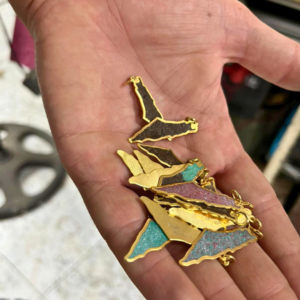
For those who remember, we started with keychains and earrings adorned with semi-precious stones. We’d buy his one-of-a-kind creations, photograph them at home to show them off to their best advantage, and then post them on Instagram.
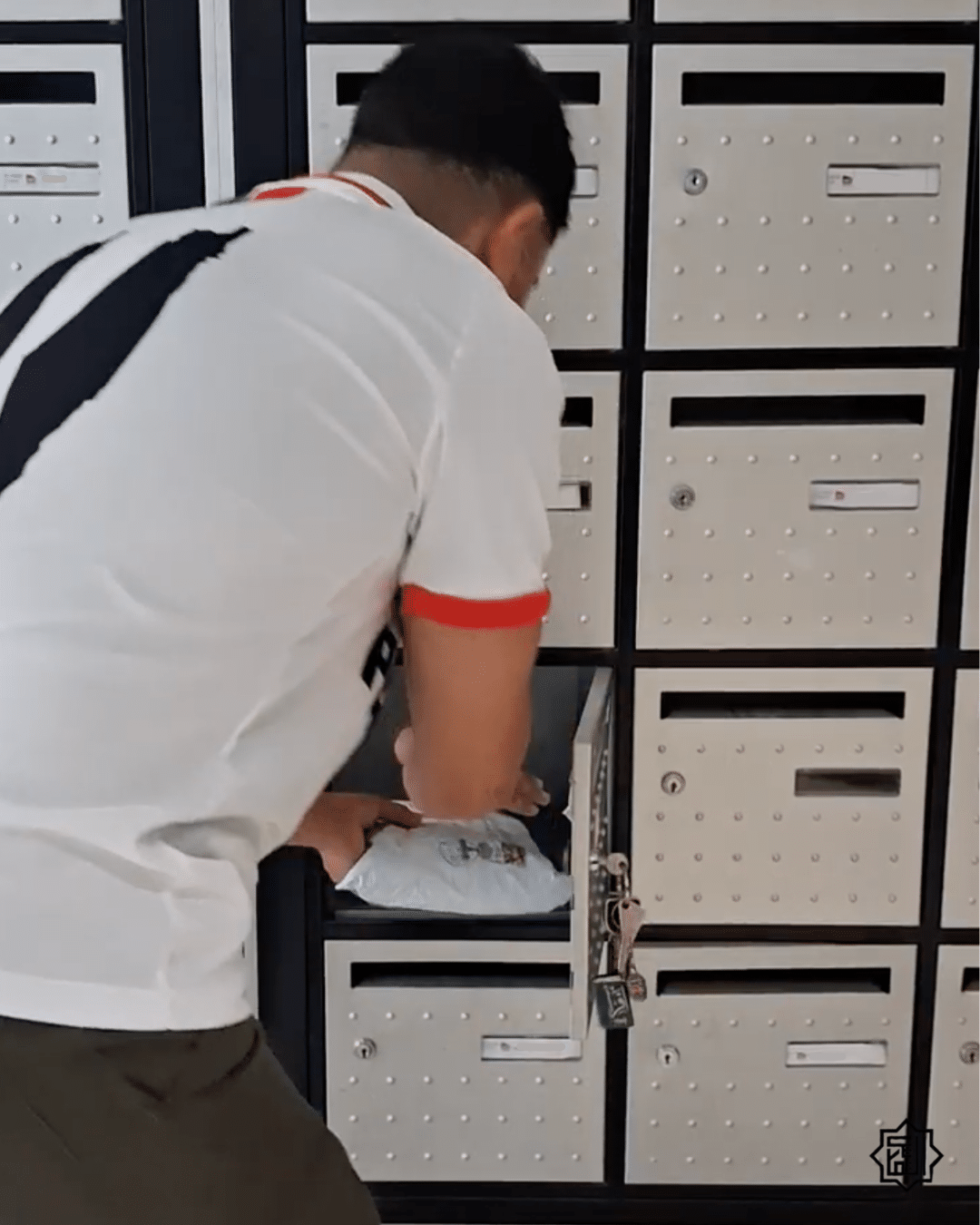
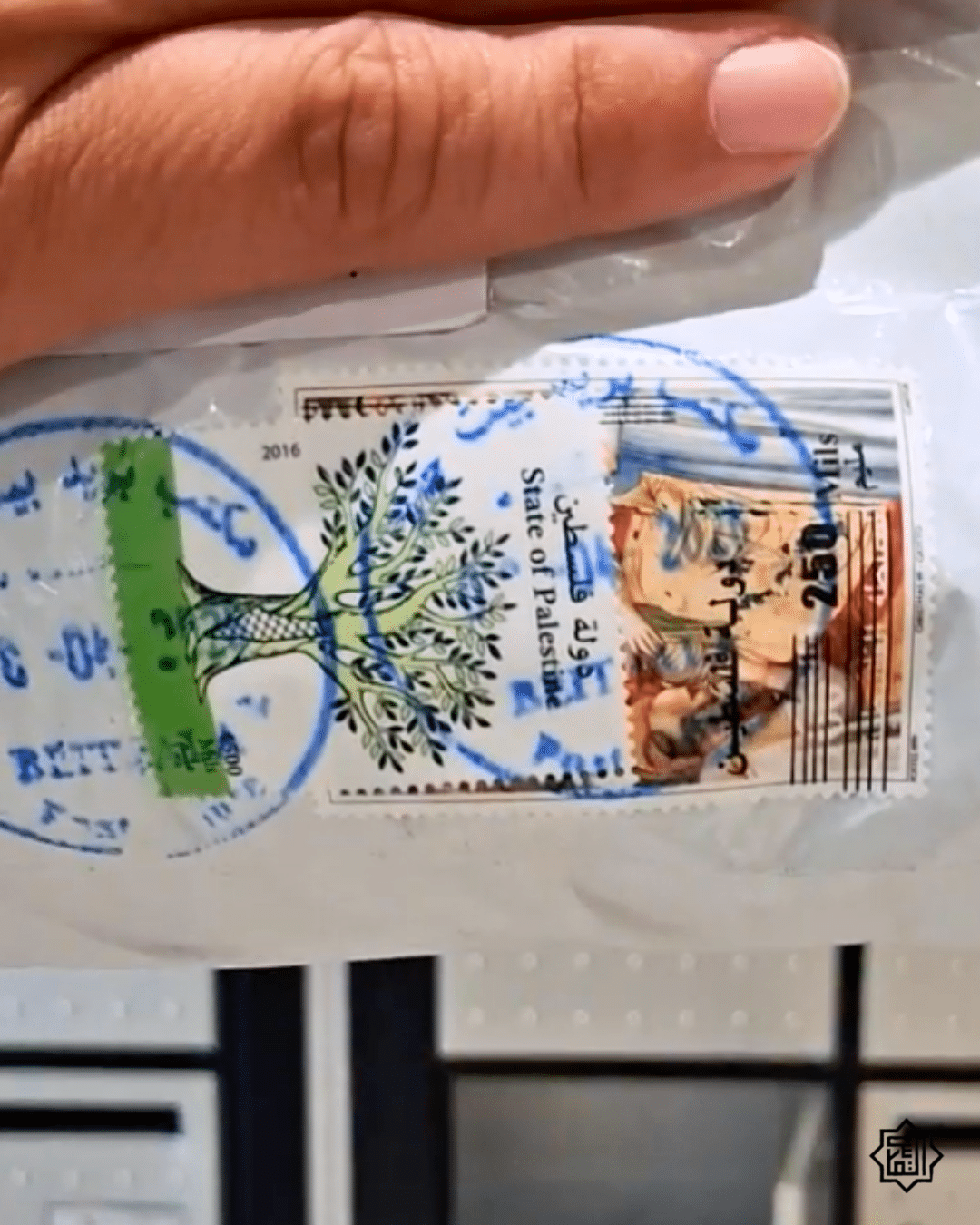
We had no website, no team, no help, and no experience. Orders were placed via private message. Then we’d mail them out.
And then we bought a notebook.
A little notebook to write down each order by hand. I remember the day I bought it: it made my husband and my father-in-law smile to see me getting so organized for a project that had barely gotten off the ground.
Little by little, and thanks to you, the pages filled up. Customers were satisfied, spread the word about our initiative, and began asking for other products.
A few years later, that little notebook we’d initially smiled at was completely full.
Palestinement was born.
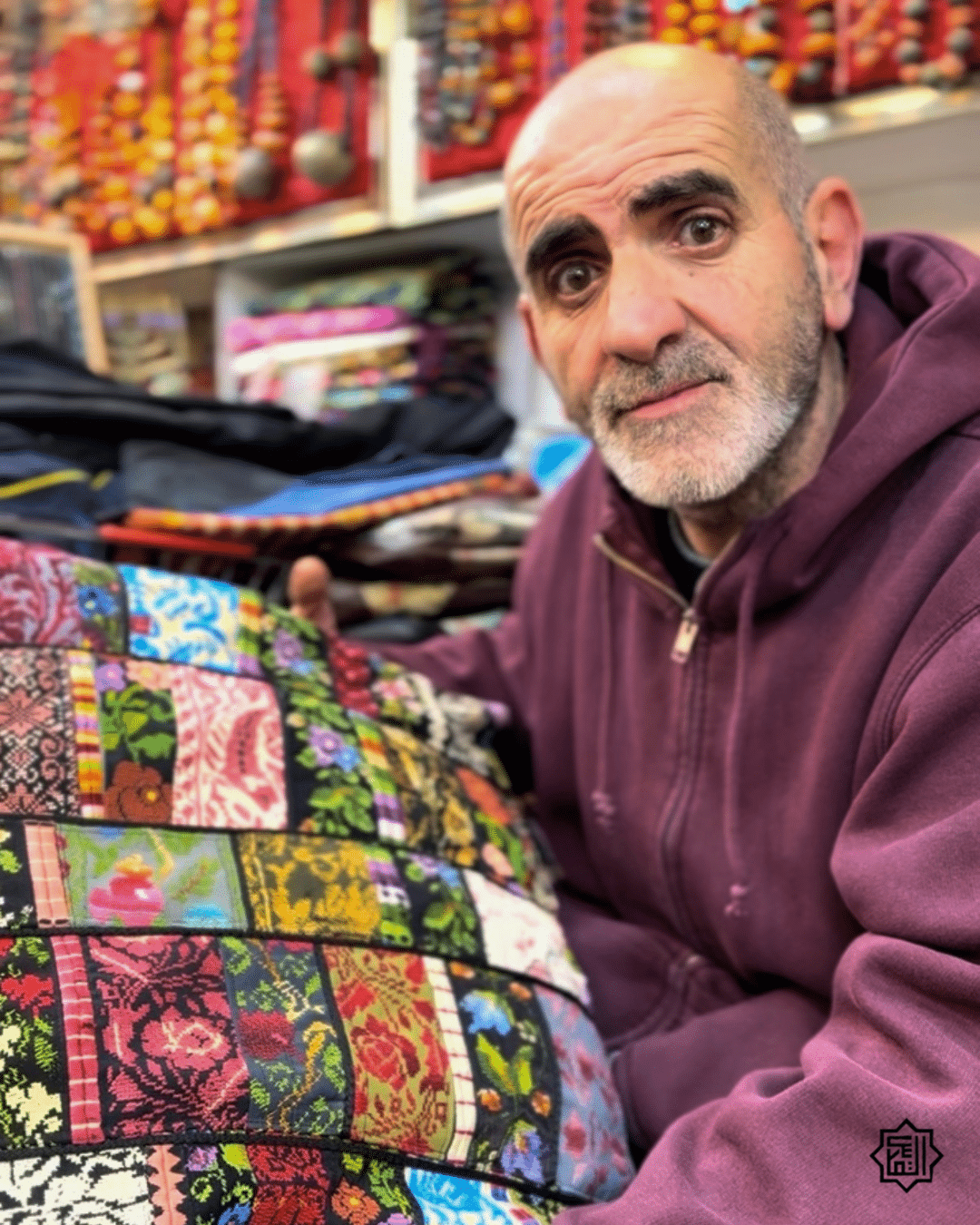
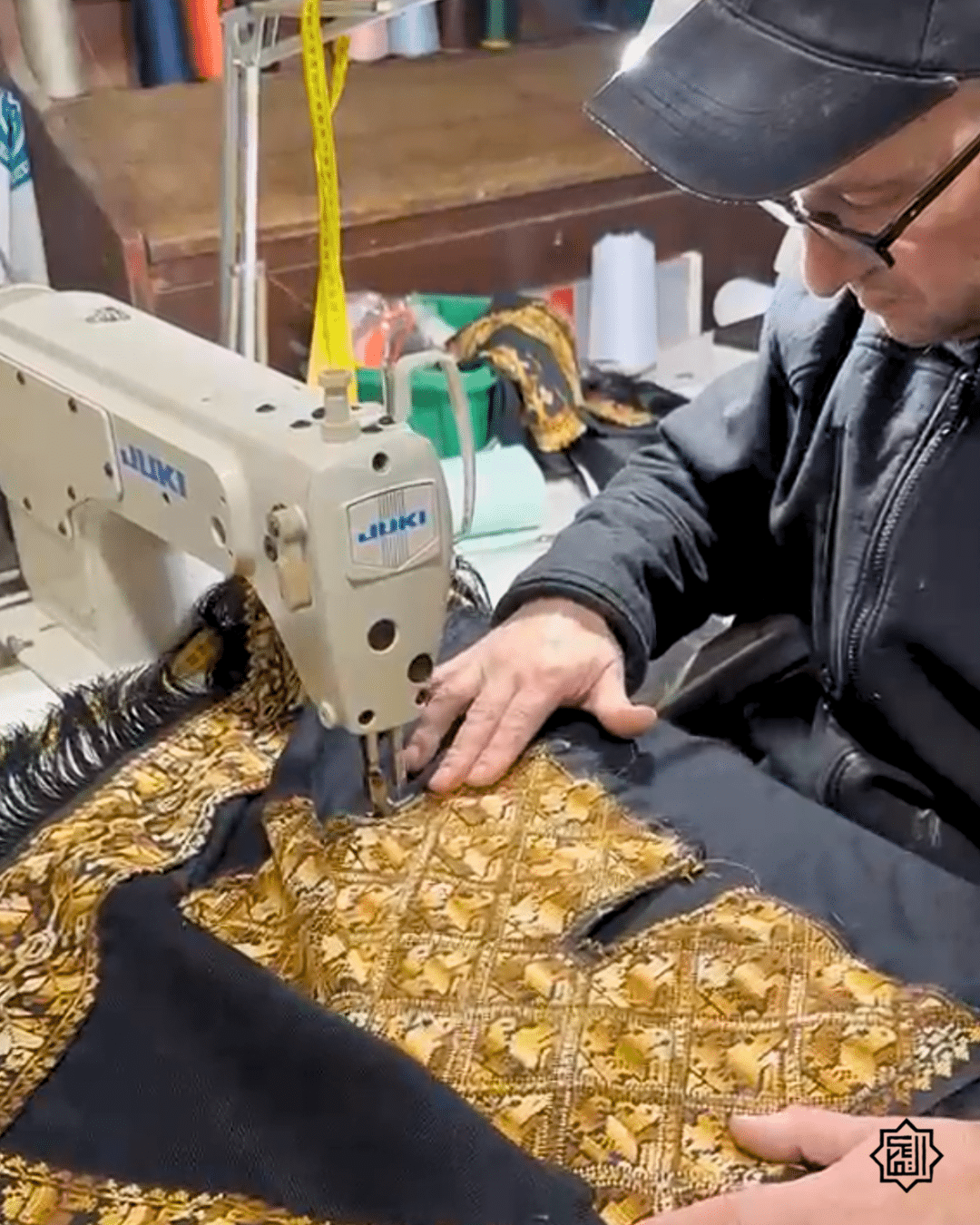
Then, Palestinement grew.
Customers began asking for other products: jewelry, embroidery, clothing, spices… items they had seen in Palestine or dreamed of being able to buy directly from here.
So we scoured the Old City in search of new products, artisans, and merchants. Through exhibitions, meetings, and word of mouth, our network expanded into the West Bank and even to Gaza.
Everywhere, we faced the same obstacle: having talent or beautiful products wasn’t enough to reach the rest of the world.
Wonders that could not cross borders.
At that time, selling internationally was impossible for Palestinians in the West Bank and Gaza.
There was no PayPal, Stripe, card payments, or wire transfers, nor was there an international shipping system.
Artisans and merchants were thus limited to the local market, even though, just a few thousand kilometers away, people were looking to buy exactly what they had to offer.
They didn’t need to be taught how to create or sell. They needed to be able to reach their customers.
That is where Palestinement found its true purpose.
We were able to create the missing link.
Finding artisans, merchants, and products, meeting with them, buying directly from them—without haggling over prices so they can get the most out of their work—advancing the money, and arranging for delivery to us.
Then comes all the behind-the-scenes work: photographing and showcasing the products, telling their stories, creating content, finding customers, managing orders and payments, packing, shipping internationally, and providing customer service.
Palestinement handles this entire process.
This allows artisans to focus on their creations, shop owners to keep their stores running, and their products to reach you.
On one side, Palestinian artisans and shop owners with products to sell.
On the other, people who genuinely want to buy Palestinian products.
In between: Palestinement.
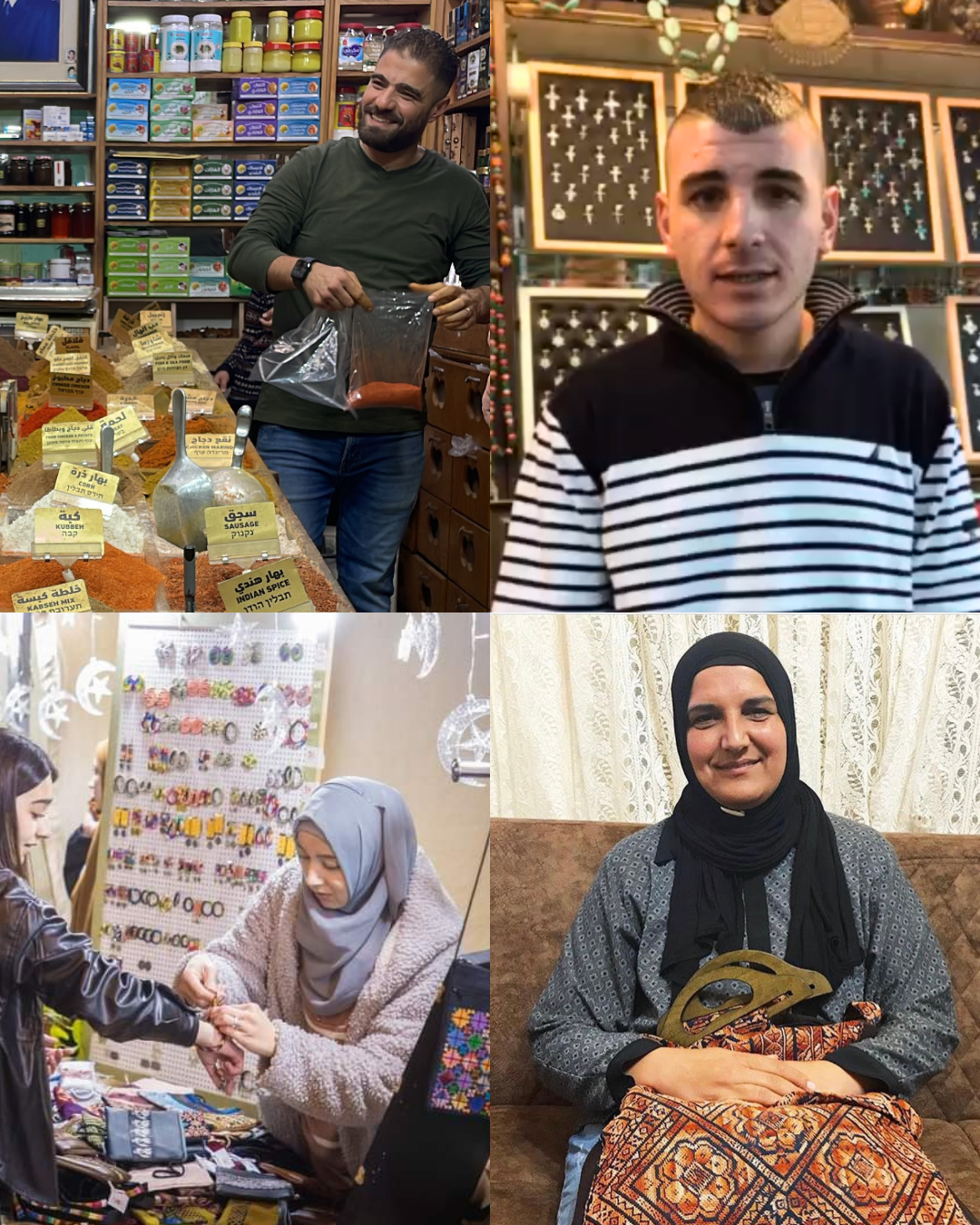
Sending you a Palestinian product isn’t that simple.
Behind every order placed on Palestinement lies an extraordinary journey.
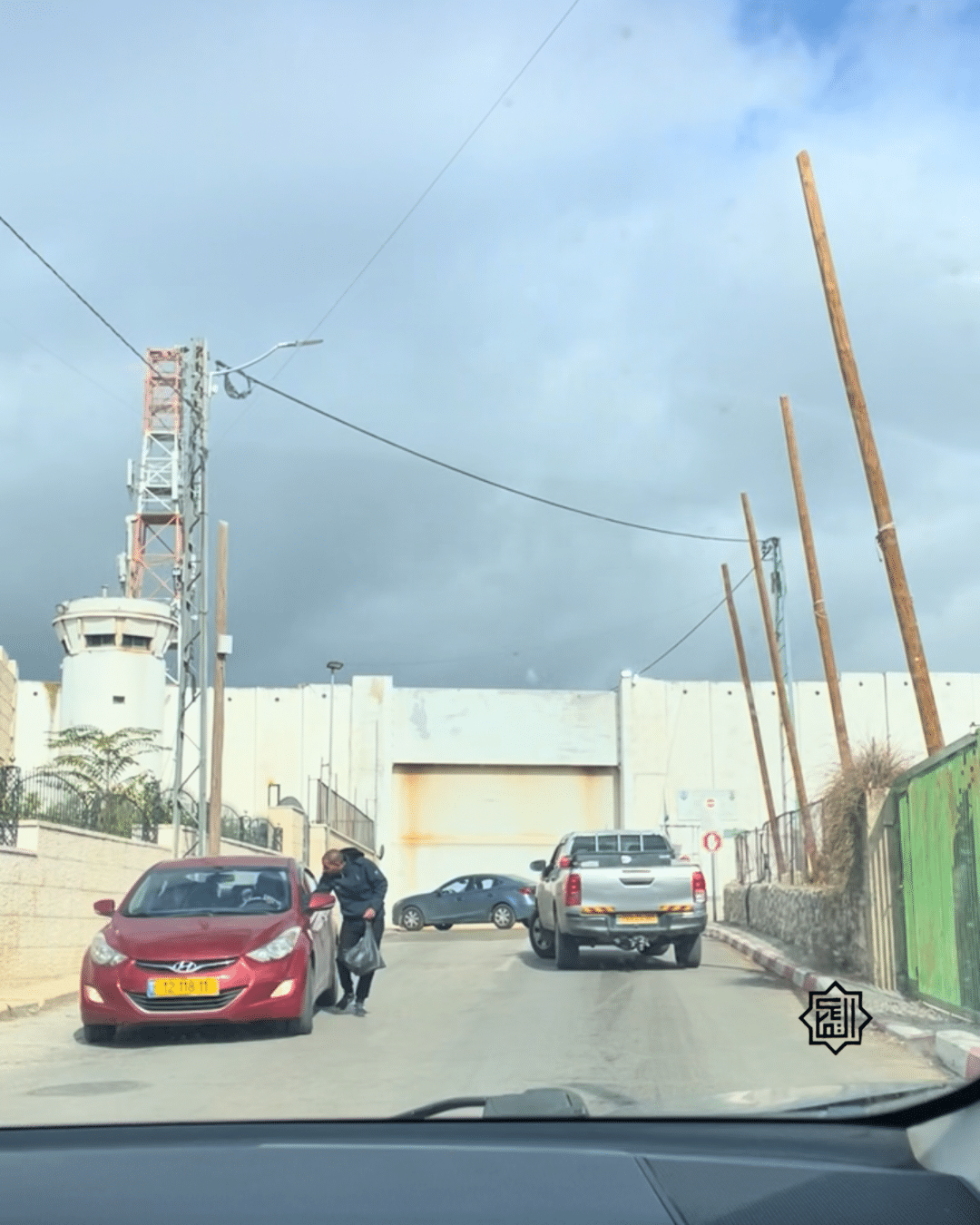
We pick up the products directly from our partners or arrange for them to be shipped to us via local delivery services. But under occupation, nothing is certain or predictable.
The occupying army can arbitrarily decide to close a checkpoint, block a road, halt a delivery, or seize goods.
And very often, the problem isn’t the product itself but what it represents.
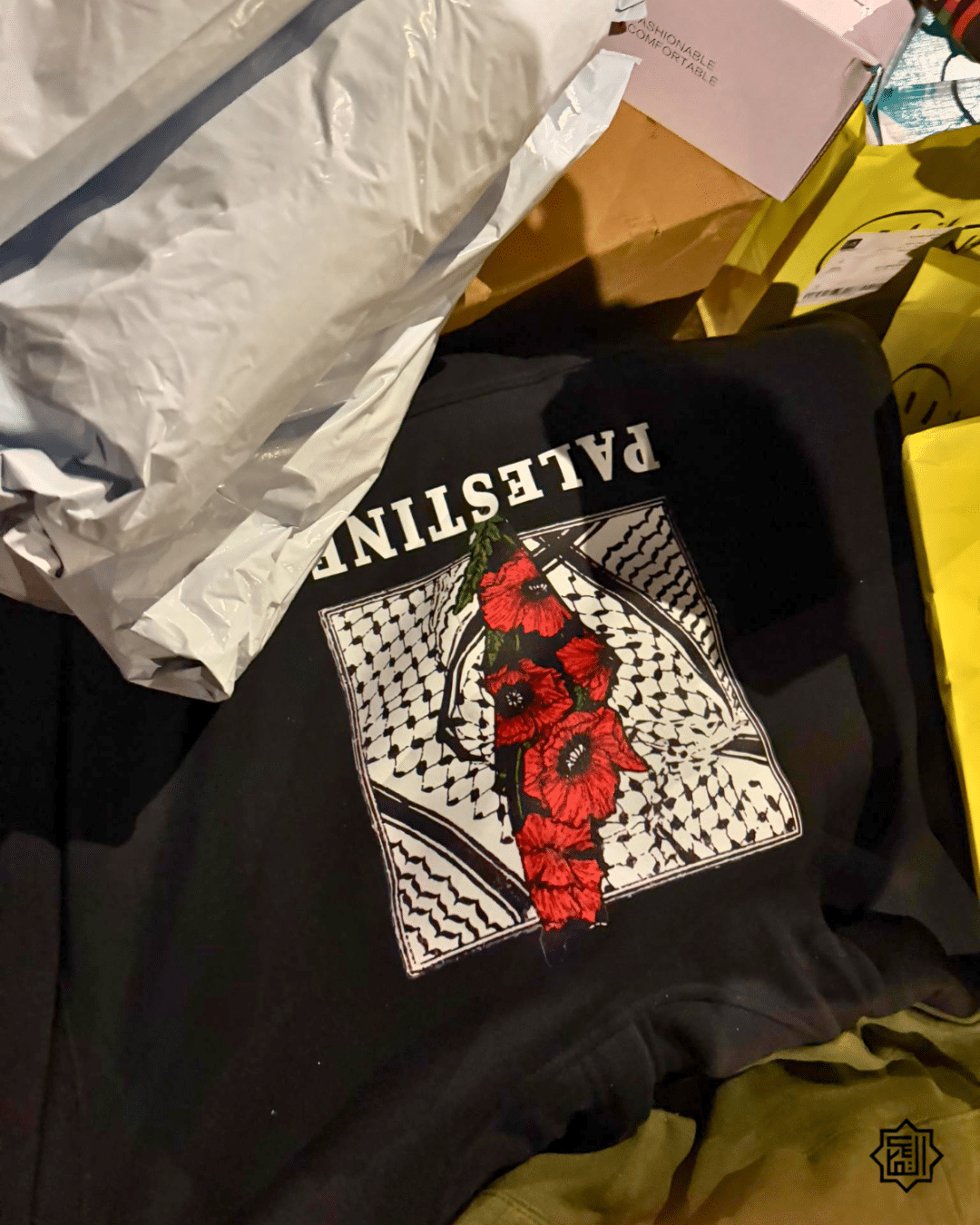
When a map of Palestine is enough to get an order confiscated.
This has already happened with one of our orders.
The package contained clothing, some of which featured a map of Palestine. Yet even under occupation, this is not illegal.
At the checkpoint, the Israeli army searched the delivery person and confiscated all the merchandise. They gave him a phone number so we could call and try to get the items back.
Of course, calling meant identifying ourselves to the Israeli army, with the risk of being beaten and imprisoned.
So we gave up on those products and repurchased the items using a different delivery service.
In Palestine, displaying images of Palestine can be risky.
This pressure is constant in Jerusalem.
In the Old City, the occupying forces regularly carry out intimidation operations in the souk, notably by threatening merchants who display Palestine-related items—such as a map, a flag, its colors, a slogan, or simply a symbol—with prosecution and imprisonment.
And these threats don’t always remain just threats.
One of the printers we work with bore the brunt of the occupation forces’ actions firsthand. For printing maps of Palestine—not intended for Palestinement—his workshop was completely destroyed. He was imprisoned, and his son had both arms broken.
That is why, for a Palestinian merchant, owning or displaying certain products poses a real risk.
Some of our artisans therefore no longer keep them in their shops. They hide them elsewhere, for fear of a raid.
Behind them, however, lie raw materials, hours of labor, and sometimes entire inventories that have become impossible to sell. We therefore try to sell these products first, so that the artisan does not lose either their work or the money they invested in it.
Carry on despite the occupation.
The Israeli occupation is a constant obstacle to our work. It affects how we work, communicate, move around, choose our partners and products, receive deliveries, and even display our goods.
Our work also involves constantly finding alternatives: a different route, a different means of transport, or a different way to sell.
The goal remains the same: to ensure that the restrictions imposed by the Israeli occupation do not cut off Palestinian artisans and merchants from their customers.
Gaza was also part of this story.
In Gaza, too, we were able to showcase artisans’ creations to an international audience.
Get some artwork out of Gaza.
It was more complicated, of course, given the Israeli blockade imposed since 2006. But we still managed to establish a route.
At first, we asked aid workers to carry small quantities of goods with them. Later, delivery services were established.
It was expensive. It was slow. It was complicated.
But their creations managed to make it out of Gaza.
Then, in October 2023, everything changed.
Since October 2023, the war and genocide in Gaza have made all activity impossible. Our artisans have been displaced, their workshops destroyed, and their lives upended by the bombings and destruction.
As a result, we are no longer receiving creations from Gaza. We look forward to the day when our artisans can once again live in safety, rebuild, create, and share their work with the world.
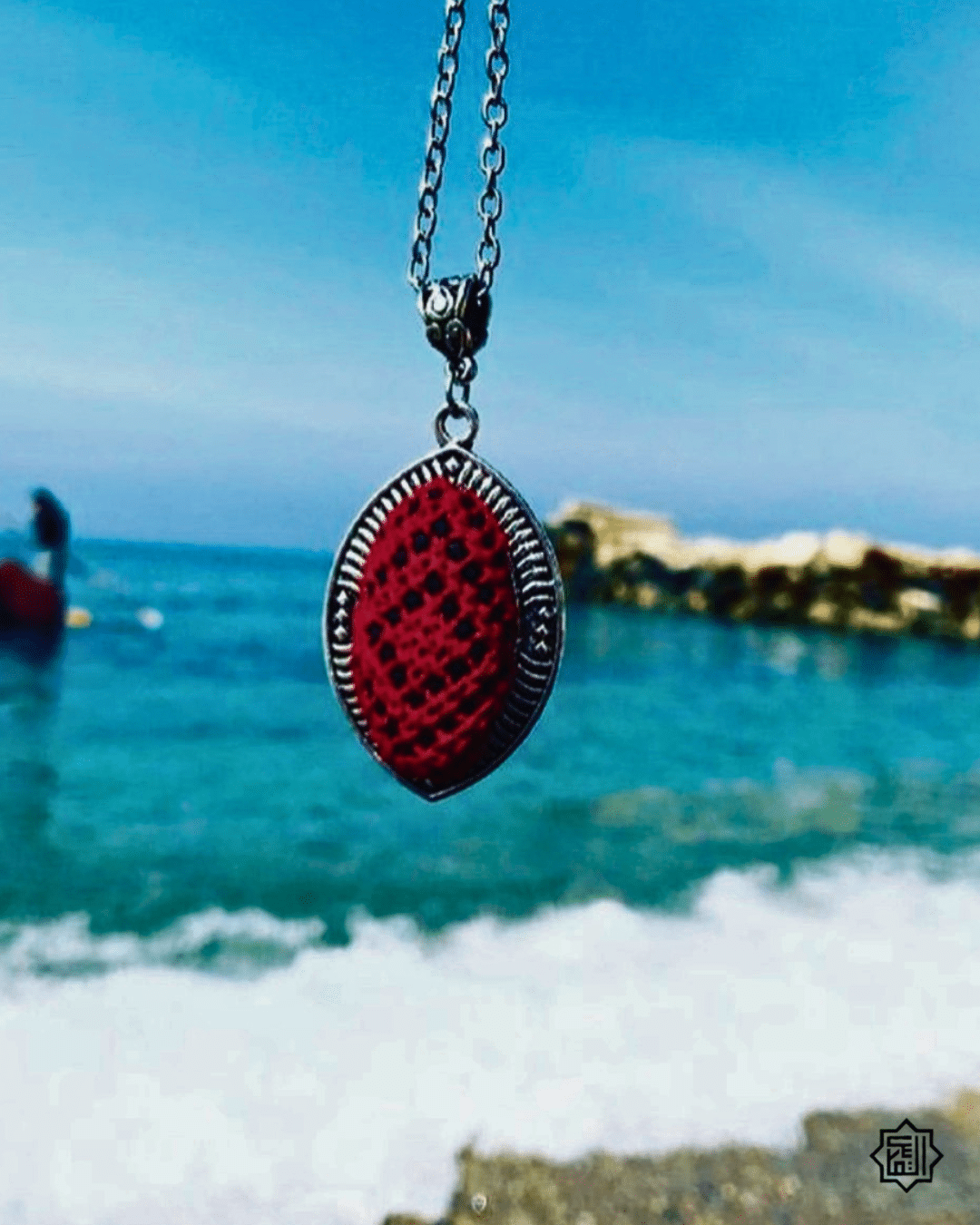
Palestine Today.
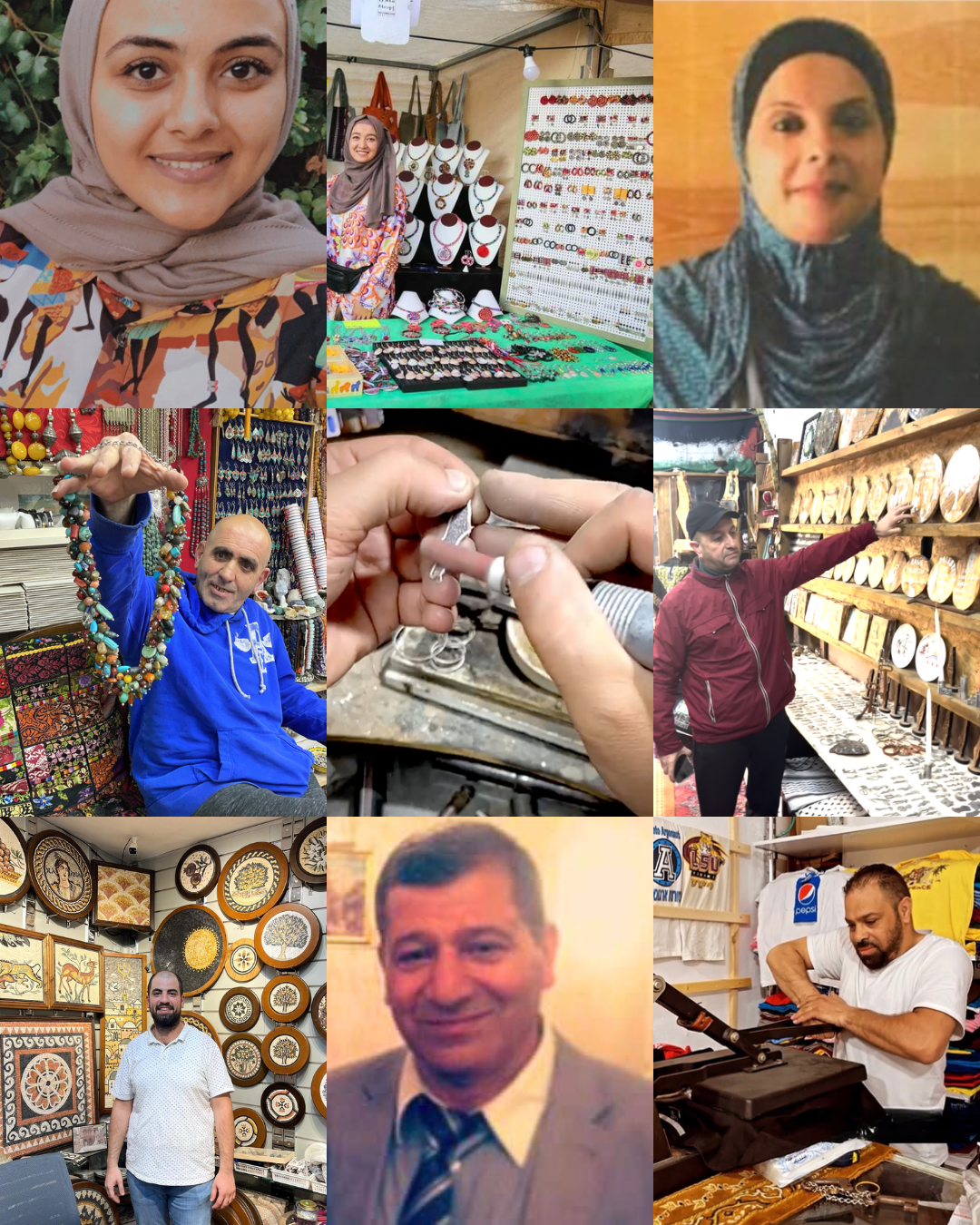
What began with a few pieces of jewelry carried home on foot to be photographed has grown into a network of dozens of Palestinian artisans, designers, and merchants.
Jewelry makers, embroiderers, seamstresses, artists, woodworkers, mother-of-pearl artisans, ceramicists, graphic designers, as well as merchants offering their own product lines: behind every item sold on Palestinement, there is a Palestinian business, a person, a family, or a shop.
Some products are handcrafted in Palestine. Others are sold by Palestinian merchants, even when they were manufactured elsewhere.
In both cases, our goal remains the same: to directly support the Palestinian economy.
And despite the passing years, our way of working has changed very little.
We always go out to meet them.
We visit their shops, tour their workshops, discover their new creations, and work directly with them to select the items we want to offer you.
Some have been with us since the very beginning. Others have joined us through personal connections and word of mouth.
But the principle remains the same: no impersonal catalogs, no dropshipping, no endless middlemen, and no generic, empty promises of “donations to Palestine.”
We buy directly from them. And most importantly, we know who your purchase supports.
And what about you in all this?
Shopping at Palestinement isn’t just about buying a product from Palestine.
It means choosing to support a Palestinian initiative built locally, enabling families to make a living from their work, businesses to continue operating, and artisanal traditions to be passed down through the generations.
It also means choosing high-quality, unique products that embody craftsmanship, culture, or history you won’t find just anywhere.
And above all, your purchase has a real impact on the daily lives of the people we work with.
Behind every order, money goes directly into a merchant’s cash register or into the hands of an artisan. This allows them to buy raw materials, cover daily expenses, keep a shop running, and continue to make a living from their work on their land.
We’ve seen it over the years: your orders truly change the daily lives of artisans, shop owners, and their families.
You, too, are becoming a part of this resistance.
The Israeli occupation hinders Palestinians’ movement, trade, and access to the rest of the world.
Our work consists, in our own small way, of continuing to forge this connection despite everything.
The artisan creates. The shopkeeper opens their store. We take care of finding a way through. And you—you make it possible for this chain to reach its full potential.
Buying Palestinian products thus becomes a concrete way to circumvent the isolation imposed by the occupying power: it allows an economy to continue functioning, Palestinian businesses to remain open, and their products to circulate. It is a concrete form of resistance.
Every order that arrives at your doorstep means that, somewhere in Palestine, a person has been able to continue selling despite the obstacles placed in their path.
And that, somewhere in the world, someone has chosen not to let Palestine be cut off from the rest of the world.
Discover our merchants
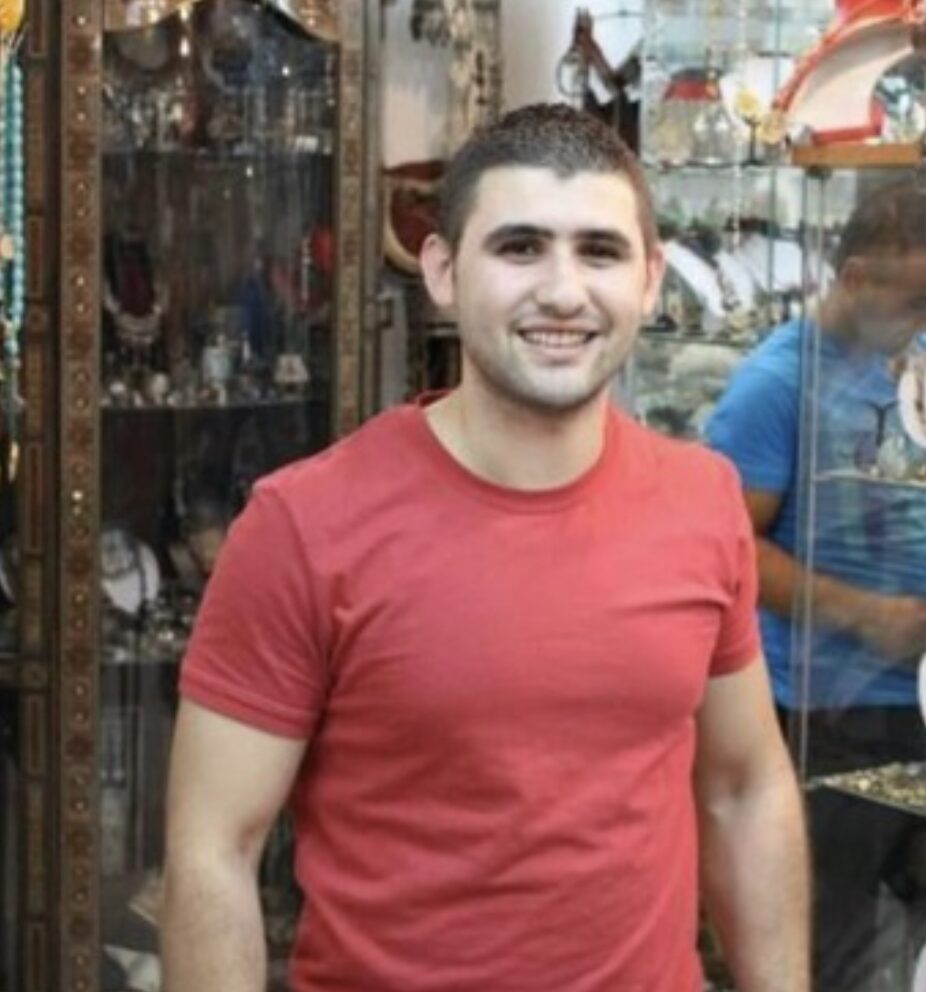
Ahmad - Jérusalem
Artisan jeweler
A jeweler in a family tradition spanning three generations, Ahmad carries on a rare family craft in Jerusalem’s Old City, where he has set up his own workshop. A true artisan and artist, he designs and crafts each piece of jewelry himself, from the initial sketch to the final finish.
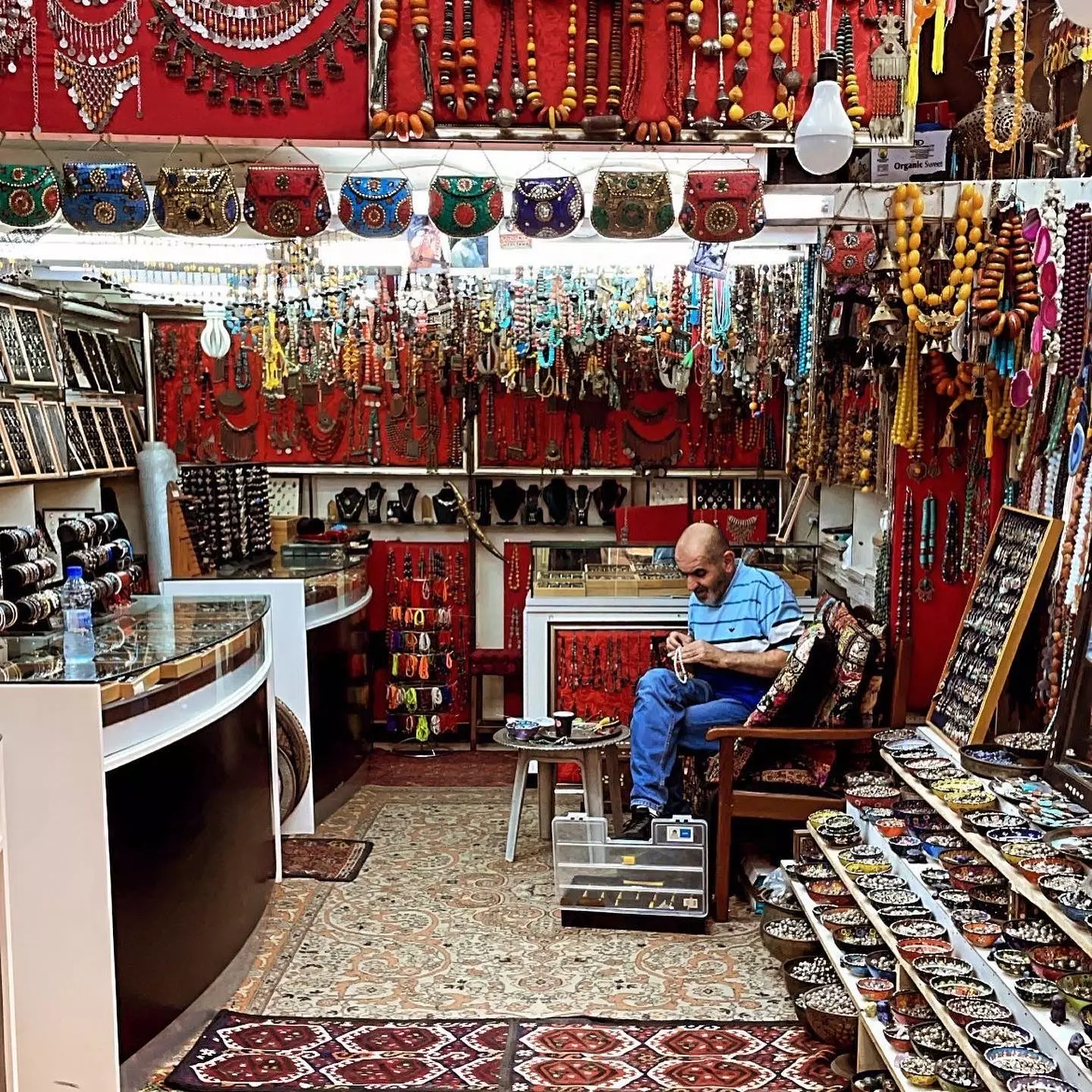
Saad - Jérusalem
Artisan jeweler
Sa’ad is one of eight siblings who all grew up as orphans. Raised by his older brothers, they overcame life’s challenges together, starting from scratch and eventually managing to buy two stores in Jerusalem’s Old City.
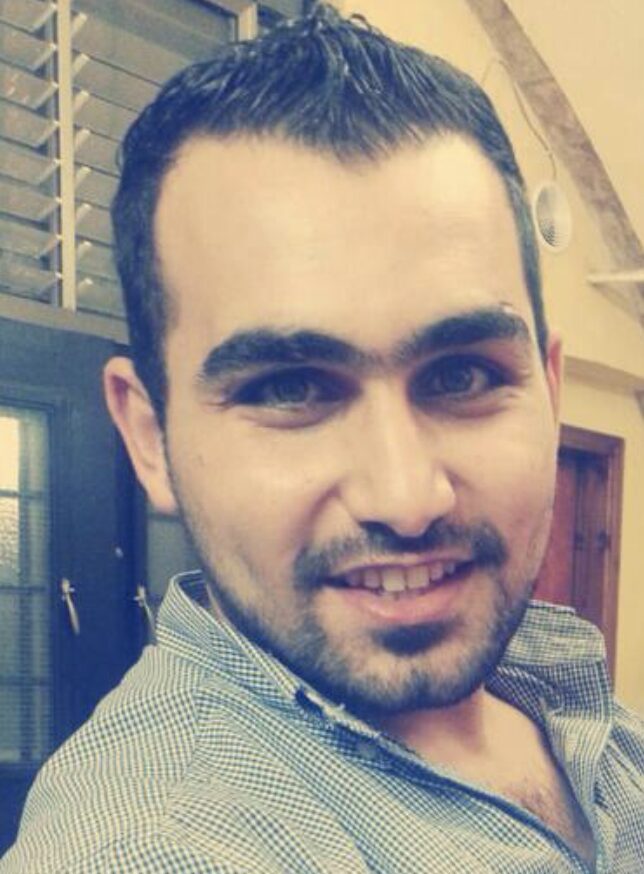
'Ala - Jérusalem
Artisan jeweler
Ala’ is a 37-year-old Palestinian from the Old City of Jerusalem, where he currently lives and works. From a very young age, he has been driven by a deep passion for art in all its forms.
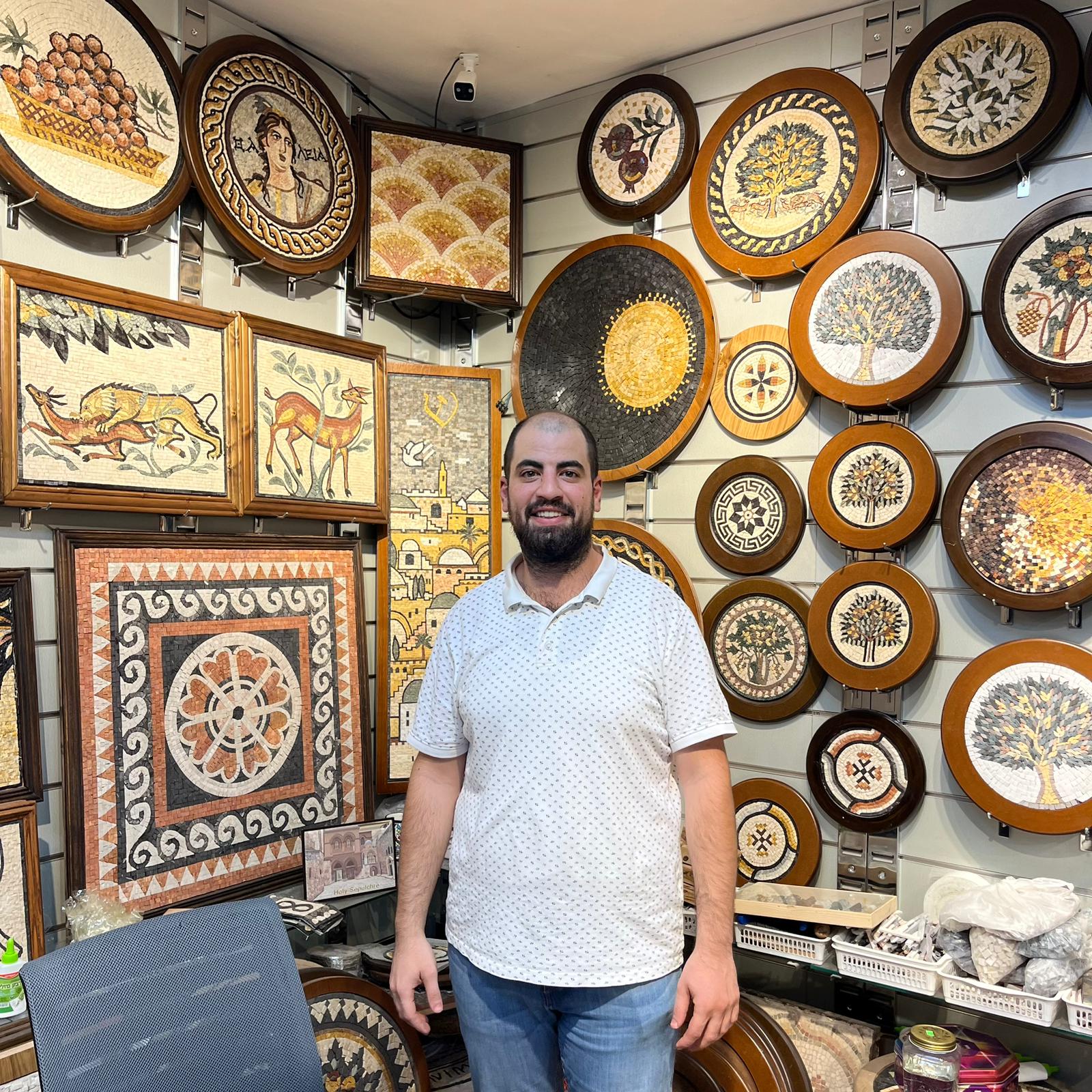
Omar, Thikryat and Mahmoud - Bethléem
Artisan jeweler
Omar, Thikryat and Mahmoud are three Palestinian artists from Bethlehem who specialize in creating micro-mosaic jewelry, all of which is made entirely by hand.
Sarah - Nablus
Traditional embroidery
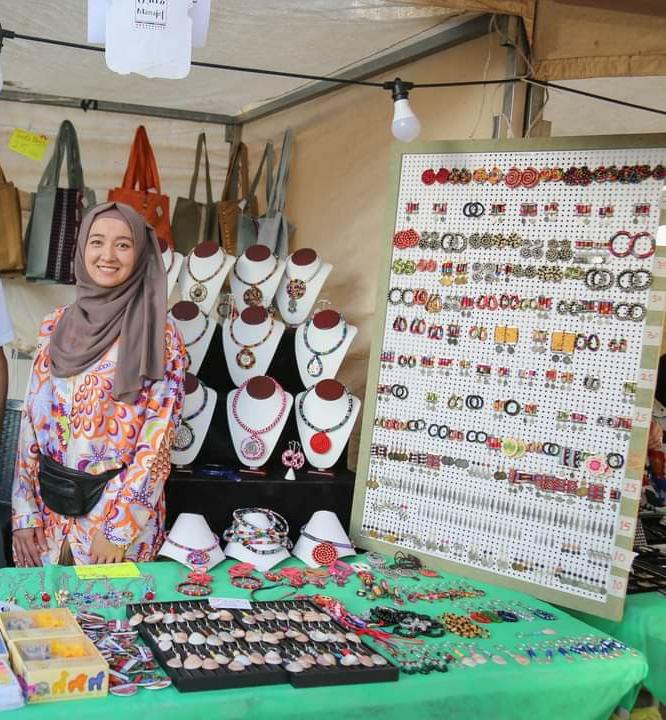
Originally from Nablus, Sarah is 34 years old and holds a degree in public administration from Birzeit University. Having always been passionate about art and crafts, she naturally turned to artisanal creation when, like many young Palestinians, she was unable to find a job in her field.
Aladin - Jérusalem
Artisan and merchant
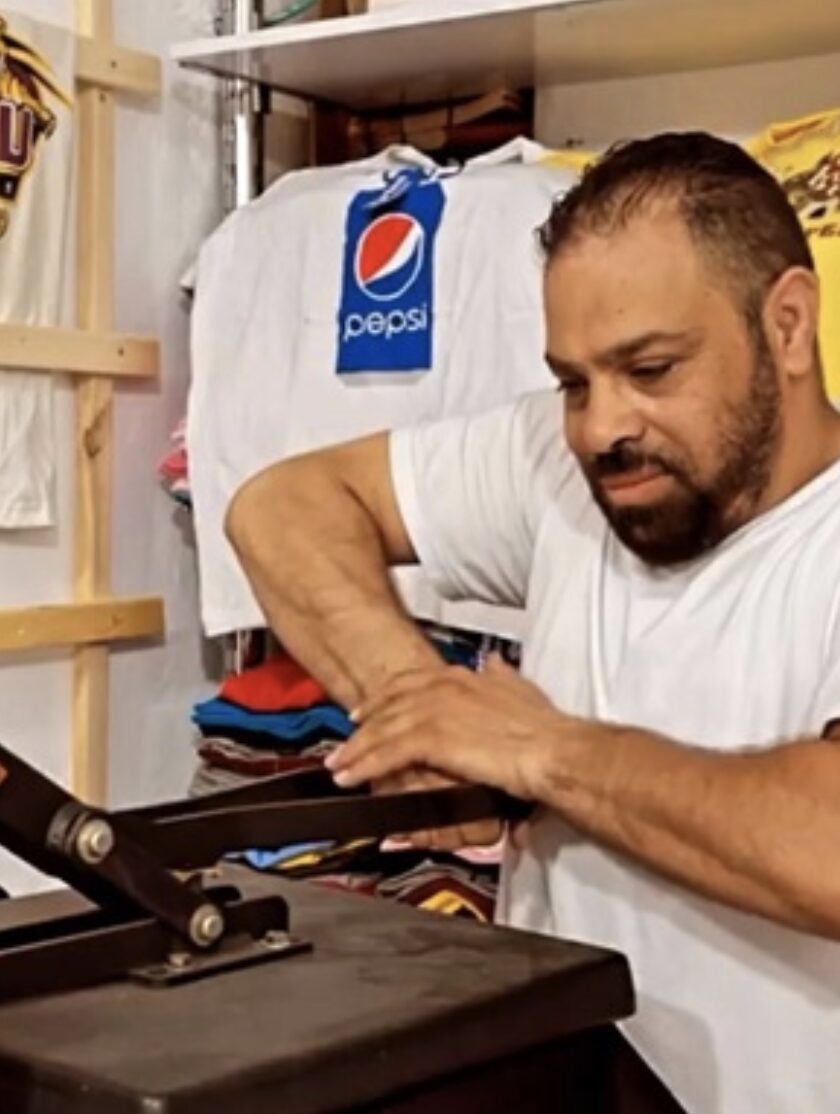
Aladin is a Palestinian merchant and artisan in Jerusalem’s Old City, where he runs a shop specializing in traditional Palestinian dresses, as well as printing on T-shirts, sweatshirts, baby bodysuits, and tote bags—all of which he carefully crafts himself.